The Role of AI in Retail | Enhancing Better Customer Experiences and Sales

Featured Posts



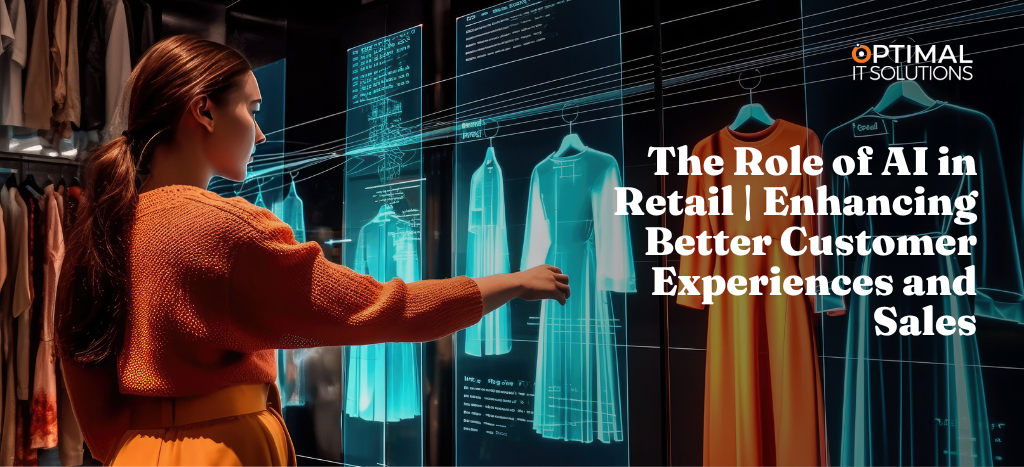
Visit a physical retail store or search for your favourite online shop, and you will notice something different compared to 10 years ago. The products will feel personalized, the suggestions will be according to your taste, and checkout lines will move faster than ever. The growing use of AI in retail is a key factor behind this progress. It’s not just a fantasy word anymore. It’s silently changing how businesses understand customers, manage operations, and increase sales.
Retail has always been about meeting customers where they are. If you look back in the past, this meant stocking shelves with best-selling items and hiring friendly sales staff. In the current era, this means utilizing smart systems that can analyze vast amounts of data in real-time, predict what customers truly want, and save time and money for businesses.
Let’s break it all down and explore the changes that are happening with AI in retail industry.
How AI is Changing the Retail Industry
Go into the flashback and think about a time when you last shopped online. You may have searched for sneakers and suddenly, you started seeing related options with the right zie, color, and even your budget. This is not some kind of magic. It’s AI for retail industry tools that are learning from your choices and showing you options that you’re more likely to buy.
This change in retail is not just about online shopping. Sensors and cameras powered by AI in physical stores track foot traffic to see which sections are grabbing more attention from customers. This data collection helps the managers decide where to place products for maximum visibility.
Here are some ways AI in retail is already changing your everyday shopping experience:
- Personalized recommendations: Retailers don’t guess anymore what customers want. AI studies are now browsing and purchasing history to suggest products with real accuracy.
- Smarter inventory control: AI is predicting demand based on past sales and seasonal patterns, which is why stores avoid running out of top-selling items.
- Dynamic pricing: Think about the umbrella price going up, which increases slightly during the rainy season. Prices can adjust in real-time depending on demand, competition, and weather.
- Faster customer service: Chatbots and automated systems answer basic questions instantly, so you don’t have to wait in line or stay on hold.
These changes together mean that you will have a smoother shopping experience for customers, and as a retailer, you will have efficient operations.
Benefits of Artificial Intelligence in Retail Industry
Let’s look at the most noticeable advantages of AI in retail industry operations.
1. Improved customer experience
Customers feel valued when stores understand their needs. Personalized deals, helpful recommendations, and fast service build stronger loyalty.
2. Reduced waste and costs
3. Better decision-making
Retail managers don’t have to depend on instincts now, as they get insights supported by real data, which helps them make smart decisions, or pricing, marketing, and product placement.
4. Stronger sales growth
The chances of sales increase with personalized marketing, while efficient supply chains ensure products are always available. Both of them boost sales directly.
5. Improved security
AI systems add an extra layer of safety, from spotting fraudulent transactions to monitoring suspicious in-store behavior.
These benefits explain why so many big names in retail, like supermarkets or fashion brands, are investing a lot of money in AI for retail industry solutions.
How Does AI Reduce Costs?
- Lower labor costs: AI-powered checkout systems reduce the need for extra staff during peak hours. Employees can then focus on customer service instead of performing the same task all the time.
- Supply chain savings: AI predicts shipping delays, fuel costs, and demand changes. Retailers save millions in logistics costs by optimizing routes and deliveries.
- Energy management: Smart systems observe lighting, heating, and cooling in stores, and adjust them automatically to cut unnecessary energy use.
- Fraud detection: Identifying unusual patterns in transactions prevents financial losses, which saves businesses from costly fraud cases.
Cost optimization through AI is mainly about lowering expenses and making sure that resources are used in the smartest way possible.
Cut Your Business Costs With Smart AI Solutions
Schedule your free AI strategy session now.
How AI Reduces Operational Costs
Operational costs cover everything from paying staff to managing supply chains and marketing campaigns. AI in retail industry simplifies these operations by automating routine tasks and reducing human mistakes.
For example:
- Automated restocking: Instead of waiting for staff to check the shelves, AI alerts managers when an item is running low. This makes sure shelves are always stocked without overordering.
- Smarter marketing campaigns: AI analyzes customer data to create targeted ads that reach the right people at the right time. This saves money that could be invested in broad campaigns that don’t even work.
- Returns management: Retailers lose billions of dollars every year due to returns. AI reduces unnecessary returns by improving product recommendations and sizing guides.
AI Technology for Cost Management
The backbone of AI for retail industry is its ability to handle cost management. Retail margins are usually thin, so efficiency is everything here.
Key areas where AI supports cost management:
- Inventory forecasting: Predicting which items will sell and then reducing waste and improving profit margins.
- Predictive maintenance: AI predicts when a machine is likely to fail for retailers using automated checkout machines or large refrigeration systems, which controls costly breakdowns.
- Financial planning: AI tools analyze sales data and seasonal patterns to help businesses plan budgets more precisely.
- Human resource optimization: AI predicts peak shopping times so managers can schedule the right number of employees without overspending on their labor.
- AI cost optimization: ensures businesses stay competitive while delivering value to customers by focusing on these areas.
Future of AI in Retail
The future of AI in retail looks exciting. Here is a glimpse of what’s on the horizon:
- Fully automated stores: Imagine walking into a shop, picking up items, and walking out without stopping at a cashier. Payment happens automatically through AI-driven systems.
- Hyper-personalization: Retailers can offer product recommendations and personalized store layouts or shopping paths in the future based on customers’ preferences.
- Sustainability focus: AI will help retailers track and reduce carbon footprints and make retail more environmentally friendly.
- Virtual shopping assistants: Think of an AI-powered stylist or grocery planner guiding your shopping experience in real time.
The role of AI in retail is clear that it will only grow and offer businesses more tools to save money while making shopping easier and more enjoyable for customers.
Conclusion
Retail has always been about connecting products with people. Today, that connection is stronger and smarter thanks to AI in retail industry tools. At Optimal itsolutions, we help retailers leverage advanced AI solutions that transform both online and in-store experiences from reducing operational costs to delivering hyper-personalized customer journeys.
FAQ's
Let's Connect With Our Experts
Get valuable consultation form our professionals to discuss your projects. We are here to help you with all of your queries.
Revolutionize Your Business
Collaborate with us and become a trendsetter through our innovative approach.
Get in Touch Now!

Founded in 2018, TekRevol is a trusted tech company delivering ISO 27001-certified digital solutions
Visit a physical retail store or search for your favourite online shop, and you will notice something different compared to 10 years ago. The products will feel personalized, the suggestions will be according to your taste, and checkout lines will move faster than ever. The growing use of AI in retail is a key factor behind this progress. It’s not just a fantasy word anymore. It’s silently changing how businesses understand customers, manage operations, and increase sales.
Retail has always been about meeting customers where they are. If you look back in the past, this meant stocking shelves with best-selling items and hiring friendly sales staff. In the current era, this means utilizing smart systems that can analyze vast amounts of data in real-time, predict what customers truly want, and save time and money for businesses.
Let’s break it all down and explore the changes that are happening with AI in retail industry.
How AI is Changing the Retail Industry
Go into the flashback and think about a time when you last shopped online. You may have searched for sneakers and suddenly, you started seeing related options with the right zie, color, and even your budget. This is not some kind of magic. It’s AI for retail industry tools that are learning from your choices and showing you options that you’re more likely to buy.
This change in retail is not just about online shopping. Sensors and cameras powered by AI in physical stores track foot traffic to see which sections are grabbing more attention from customers. This data collection helps the managers decide where to place products for maximum visibility.
Here are some ways AI in retail is already changing your everyday shopping experience:
- Personalized recommendations: Retailers don’t guess anymore what customers want. AI studies are now browsing and purchasing history to suggest products with real accuracy.
- Smarter inventory control: AI is predicting demand based on past sales and seasonal patterns, which is why stores avoid running out of top-selling items.
- Dynamic pricing: Think about the umbrella price going up, which increases slightly during the rainy season. Prices can adjust in real-time depending on demand, competition, and weather.
- Faster customer service: Chatbots and automated systems answer basic questions instantly, so you don’t have to wait in line or stay on hold.
These changes together mean that you will have a smoother shopping experience for customers, and as a retailer, you will have efficient operations.
Benefits of Artificial Intelligence in Retail Industry
Let’s look at the most noticeable advantages of AI in retail industry operations.
1. Improved customer experience
Customers feel valued when stores understand their needs. Personalized deals, helpful recommendations, and fast service build stronger loyalty.
2. Reduced waste and costs
Overstocking and understocking are expensive mistakes, so retailers order the right amount of stock, which saves money and reduces waste with AI predicting demands.
3. Better decision-making
Retail managers don’t have to depend on instincts now, as they get insights supported by real data, which helps them make smart decisions, or pricing, marketing, and product placement.
4. Stronger sales growth
The chances of sales increase with personalized marketing, while efficient supply chains ensure products are always available. Both of them boost sales directly.
5. Improved security
AI systems add an extra layer of safety, from spotting fraudulent transactions to monitoring suspicious in-store behavior.
These benefits explain why so many big names in retail, like supermarkets or fashion brands, are investing a lot of money in AI for retail industry solutions.
How Does AI Reduce Costs?
Every small or large retailer shares a common challenge, which is keeping costs under control, and that’s where AI plays its part.
- Lower labor costs: AI-powered checkout systems reduce the need for extra staff during peak hours. Employees can then focus on customer service instead of performing the same task all the time.
- Supply chain savings: AI predicts shipping delays, fuel costs, and demand changes. Retailers save millions in logistics costs by optimizing routes and deliveries.
- Energy management: Smart systems observe lighting, heating, and cooling in stores, and adjust them automatically to cut unnecessary energy use.
- Fraud detection: Identifying unusual patterns in transactions prevents financial losses, which saves businesses from costly fraud cases.
Cost optimization through AI is mainly about lowering expenses and making sure that resources are used in the smartest way possible.
Cut Your Business Costs With Smart AI Solutions
Schedule your free AI strategy session now.
How AI Reduces Operational Costs
Operational costs cover everything from paying staff to managing supply chains and marketing campaigns. AI in retail industry simplifies these operations by automating routine tasks and reducing human mistakes.
For example:
- Automated restocking: Instead of waiting for staff to check the shelves, AI alerts managers when an item is running low. This makes sure shelves are always stocked without overordering.
- Smarter marketing campaigns: AI analyzes customer data to create targeted ads that reach the right people at the right time. This saves money that could be invested in broad campaigns that don’t even work.
- Returns management: Retailers lose billions of dollars every year due to returns. AI reduces unnecessary returns by improving product recommendations and sizing guides.
These small improvements lead to massive business cost savings over time with AI, sometimes reaching millions annually for larger companies.
AI Technology for Cost Management
The backbone of AI for retail industry is its ability to handle cost management. Retail margins are usually thin, so efficiency is everything here.
Key areas where AI supports cost management:
- Inventory forecasting: Predicting which items will sell and then reducing waste and improving profit margins.
- Predictive maintenance: AI predicts when a machine is likely to fail for retailers using automated checkout machines or large refrigeration systems, which controls costly breakdowns.
- Financial planning: AI tools analyze sales data and seasonal patterns to help businesses plan budgets more precisely.
- Human resource optimization: AI predicts peak shopping times so managers can schedule the right number of employees without overspending on their labor.
- AI cost optimization: ensures businesses stay competitive while delivering value to customers by focusing on these areas.
Future of AI in Retail
The future of AI in retail looks exciting. Here is a glimpse of what’s on the horizon:
- Fully automated stores: Imagine walking into a shop, picking up items, and walking out without stopping at a cashier. Payment happens automatically through AI-driven systems.
- Hyper-personalization: Retailers can offer product recommendations and personalized store layouts or shopping paths in the future based on customers’ preferences.
- Sustainability focus: AI will help retailers track and reduce carbon footprints and make retail more environmentally friendly.
- Virtual shopping assistants: Think of an AI-powered stylist or grocery planner guiding your shopping experience in real time.
The role of AI in retail is clear that it will only grow and offer businesses more tools to save money while making shopping easier and more enjoyable for customers.
Conclusion
Retail has always been about connecting products with people. Today, that connection is stronger and smarter thanks to AI in retail industry tools. At Optimal itsolutions, we help retailers leverage advanced AI solutions that transform both online and in-store experiences from reducing operational costs to delivering hyper-personalized customer journeys.
The future promises even greater innovation, with companies saving millions through AI in retail and offering experiences customers genuinely value. Businesses that adopt this shift early will set the standard for what the next generation of shopping looks like.
Frequently Asked Questions (FAQ's)
AI is transforming retail by analyzing customer data to deliver personalized recommendations, targeted promotions, and smoother shopping journeys both online and in-store. It also powers smarter inventory management, dynamic pricing, and automated customer support, which boosts satisfaction and sales.
AI tracks behavior such as browsing history, purchase patterns, and preferences to show relevant products, offers, and content at the right time. It also enables 24/7 support through chatbots and virtual assistants, reducing wait times and making shopping faster and more convenient.
AI cuts costs by optimizing inventory, predicting demand, and automating routine tasks like restocking, order tracking, and basic customer queries. It also improves supply chain planning, energy management, and fraud detection, helping retailers save millions in operational expenses.
Small retailers can use affordable, cloud-based AI tools for personalized recommendations, basic chatbots, inventory forecasting, and smarter marketing campaigns. Even simple AI solutions can help smaller stores reduce waste, serve customers better, and compete with larger brands.
The future of AI in retail includes fully or semi-automated stores, cashierless checkout, and hyper-personalized experiences tailored to each shopper. Retailers will also rely more on AI for sustainability, using it to reduce waste, optimize logistics, and track their environmental impact.
AI is transforming retail by analyzing customer data to deliver personalized recommendations, targeted promotions, and smoother shopping journeys both online and in-store. It also powers smarter inventory management, dynamic pricing, and automated customer support, which boosts satisfaction and sales.
AI tracks behavior such as browsing history, purchase patterns, and preferences to show relevant products, offers, and content at the right time. It also enables 24/7 support through chatbots and virtual assistants, reducing wait times and making shopping faster and more convenient.
AI cuts costs by optimizing inventory, predicting demand, and automating routine tasks like restocking, order tracking, and basic customer queries. It also improves supply chain planning, energy management, and fraud detection, helping retailers save millions in operational expenses.
Small retailers can use affordable, cloud-based AI tools for personalized recommendations, basic chatbots, inventory forecasting, and smarter marketing campaigns. Even simple AI solutions can help smaller stores reduce waste, serve customers better, and compete with larger brands.
The future of AI in retail includes fully or semi-automated stores, cashierless checkout, and hyper-personalized experiences tailored to each shopper. Retailers will also rely more on AI for sustainability, using it to reduce waste, optimize logistics, and track their environmental impact.
Visit a physical retail store or search for your favourite online shop, and you will notice something different compared to 10 years ago. The products will feel personalized, the suggestions will be according to your taste, and checkout lines will move faster than ever. The growing use of AI in retail is a key factor behind this progress. It’s not just a fantasy word anymore. It’s silently changing how businesses understand customers, manage operations, and increase sales.
Retail has always been about meeting customers where they are. If you look back in the past, this meant stocking shelves with best-selling items and hiring friendly sales staff. In the current era, this means utilizing smart systems that can analyze vast amounts of data in real-time, predict what customers truly want, and save time and money for businesses.
Let’s break it all down and explore the changes that are happening with AI in retail industry.
How AI is Changing the Retail Industry
Go into the flashback and think about a time when you last shopped online. You may have searched for sneakers and suddenly, you started seeing related options with the right zie, color, and even your budget. This is not some kind of magic. It’s AI for retail industry tools that are learning from your choices and showing you options that you’re more likely to buy.
This change in retail is not just about online shopping. Sensors and cameras powered by AI in physical stores track foot traffic to see which sections are grabbing more attention from customers. This data collection helps the managers decide where to place products for maximum visibility.
Here are some ways AI in retail is already changing your everyday shopping experience:
- Personalized recommendations: Retailers don’t guess anymore what customers want. AI studies are now browsing and purchasing history to suggest products with real accuracy.
- Smarter inventory control: AI is predicting demand based on past sales and seasonal patterns, which is why stores avoid running out of top-selling items.
- Dynamic pricing: Think about the umbrella price going up, which increases slightly during the rainy season. Prices can adjust in real-time depending on demand, competition, and weather.
- Faster customer service: Chatbots and automated systems answer basic questions instantly, so you don’t have to wait in line or stay on hold.
These changes together mean that you will have a smoother shopping experience for customers, and as a retailer, you will have efficient operations.
Benefits of Artificial Intelligence in Retail Industry
Let’s look at the most noticeable advantages of AI in retail industry operations.
1. Improved customer experience
Customers feel valued when stores understand their needs. Personalized deals, helpful recommendations, and fast service build stronger loyalty.
2. Reduced waste and costs
Overstocking and understocking are expensive mistakes, so retailers order the right amount of stock, which saves money and reduces waste with AI predicting demands.
3. Better decision-making
Retail managers don’t have to depend on instincts now, as they get insights supported by real data, which helps them make smart decisions, or pricing, marketing, and product placement.
4. Stronger sales growth
The chances of sales increase with personalized marketing, while efficient supply chains ensure products are always available. Both of them boost sales directly.
5. Improved security
AI systems add an extra layer of safety, from spotting fraudulent transactions to monitoring suspicious in-store behavior.
These benefits explain why so many big names in retail, like supermarkets or fashion brands, are investing a lot of money in AI for retail industry solutions.
How Does AI Reduce Costs?
Every small or large retailer shares a common challenge, which is keeping costs under control, and that’s where AI plays its part.
- Lower labor costs: AI-powered checkout systems reduce the need for extra staff during peak hours. Employees can then focus on customer service instead of performing the same task all the time.
- Supply chain savings: AI predicts shipping delays, fuel costs, and demand changes. Retailers save millions in logistics costs by optimizing routes and deliveries.
- Energy management: Smart systems observe lighting, heating, and cooling in stores, and adjust them automatically to cut unnecessary energy use.
- Fraud detection: Identifying unusual patterns in transactions prevents financial losses, which saves businesses from costly fraud cases.
Cost optimization through AI is mainly about lowering expenses and making sure that resources are used in the smartest way possible.
Cut Your Business Costs With Smart AI Solutions
Schedule your free AI strategy session now.
How AI Reduces Operational Costs
Operational costs cover everything from paying staff to managing supply chains and marketing campaigns. AI in retail industry simplifies these operations by automating routine tasks and reducing human mistakes.
For example:
- Automated restocking: Instead of waiting for staff to check the shelves, AI alerts managers when an item is running low. This makes sure shelves are always stocked without overordering.
- Smarter marketing campaigns: AI analyzes customer data to create targeted ads that reach the right people at the right time. This saves money that could be invested in broad campaigns that don’t even work.
- Returns management: Retailers lose billions of dollars every year due to returns. AI reduces unnecessary returns by improving product recommendations and sizing guides.
These small improvements lead to massive business cost savings over time with AI, sometimes reaching millions annually for larger companies.
AI Technology for Cost Management
The backbone of AI for retail industry is its ability to handle cost management. Retail margins are usually thin, so efficiency is everything here.
Key areas where AI supports cost management:
- Inventory forecasting: Predicting which items will sell and then reducing waste and improving profit margins.
- Predictive maintenance: AI predicts when a machine is likely to fail for retailers using automated checkout machines or large refrigeration systems, which controls costly breakdowns.
- Financial planning: AI tools analyze sales data and seasonal patterns to help businesses plan budgets more precisely.
- Human resource optimization: AI predicts peak shopping times so managers can schedule the right number of employees without overspending on their labor.
- AI cost optimization: ensures businesses stay competitive while delivering value to customers by focusing on these areas.
Future of AI in Retail
The future of AI in retail looks exciting. Here is a glimpse of what’s on the horizon:
- Fully automated stores: Imagine walking into a shop, picking up items, and walking out without stopping at a cashier. Payment happens automatically through AI-driven systems.
- Hyper-personalization: Retailers can offer product recommendations and personalized store layouts or shopping paths in the future based on customers’ preferences.
- Sustainability focus: AI will help retailers track and reduce carbon footprints and make retail more environmentally friendly.
- Virtual shopping assistants: Think of an AI-powered stylist or grocery planner guiding your shopping experience in real time.
The role of AI in retail is clear that it will only grow and offer businesses more tools to save money while making shopping easier and more enjoyable for customers.
Conclusion
Retail has always been about connecting products with people. Today, that connection is stronger and smarter thanks to AI in retail industry tools. At Optimal itsolutions, we help retailers leverage advanced AI solutions that transform both online and in-store experiences from reducing operational costs to delivering hyper-personalized customer journeys.
The future promises even greater innovation, with companies saving millions through AI in retail and offering experiences customers genuinely value. Businesses that adopt this shift early will set the standard for what the next generation of shopping looks like.
Frequently Asked Questions (FAQ's)
AI is transforming retail by analyzing customer data to deliver personalized recommendations, targeted promotions, and smoother shopping journeys both online and in-store. It also powers smarter inventory management, dynamic pricing, and automated customer support, which boosts satisfaction and sales.
AI tracks behavior such as browsing history, purchase patterns, and preferences to show relevant products, offers, and content at the right time. It also enables 24/7 support through chatbots and virtual assistants, reducing wait times and making shopping faster and more convenient.
AI cuts costs by optimizing inventory, predicting demand, and automating routine tasks like restocking, order tracking, and basic customer queries. It also improves supply chain planning, energy management, and fraud detection, helping retailers save millions in operational expenses.
Small retailers can use affordable, cloud-based AI tools for personalized recommendations, basic chatbots, inventory forecasting, and smarter marketing campaigns. Even simple AI solutions can help smaller stores reduce waste, serve customers better, and compete with larger brands.
The future of AI in retail includes fully or semi-automated stores, cashierless checkout, and hyper-personalized experiences tailored to each shopper. Retailers will also rely more on AI for sustainability, using it to reduce waste, optimize logistics, and track their environmental impact.
Lorem ipsum dolor sit amet, consectetur adipiscing elit. Ut elit tellus, luctus nec ullamcorper mattis, pulvinar dapibus leo.